 Image 1 of 2
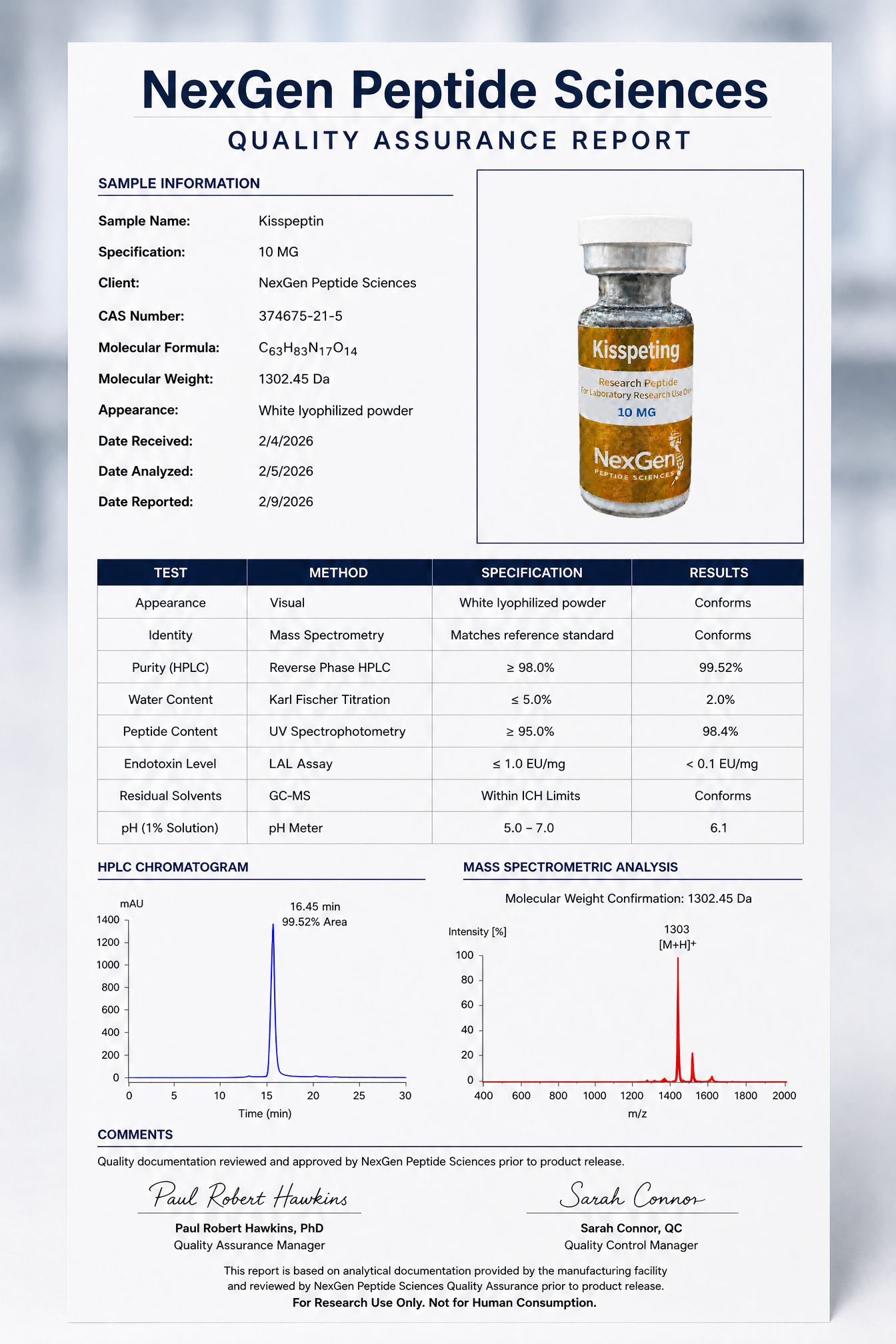 Image 2 of 2
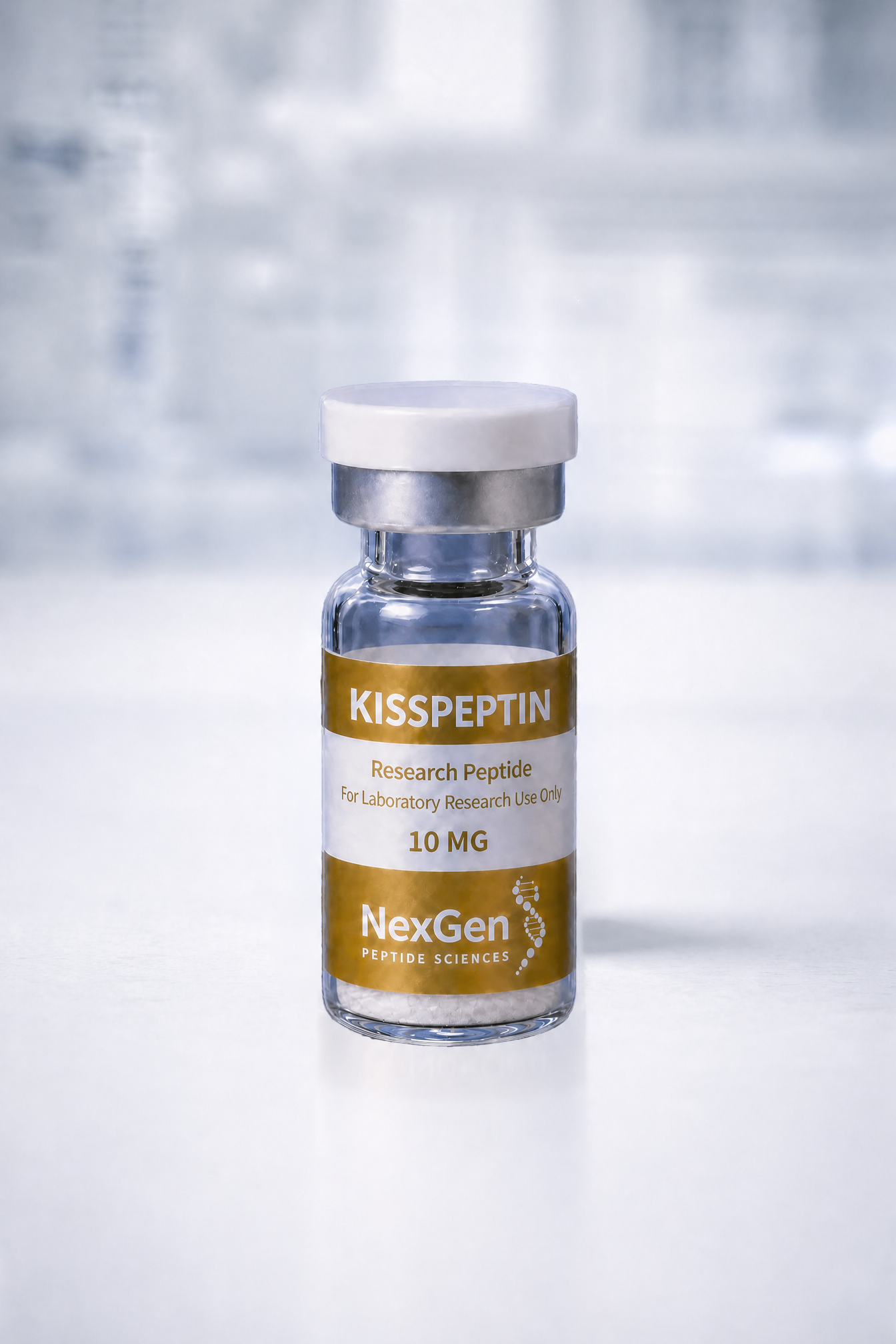
Kisspeting 10 MG
⭐ ⭐ ⭐ ⭐ ⭐ 4.9/37 Based on verified feedback
Kisspeptin is a natural neuropeptide that acts as the "master regulator" of reproductive hormones. It restores hormone balance by stimulating the hypothalamus to release GnRH (gonadotropin-releasing hormone), which naturally triggers the body to produce its own sex hormones, including estradiol and testosterone, without external hormone replacement.
How Kisspeptin Regulates EstradiolThe HPG Axis:
Kisspeptin stimulates the hypothalamic-pituitary-gonadal (HPG) axis. It prompts the hypothalamus to secrete GnRH, which signals the pituitary gland to release Luteinizing Hormone (LH) and Follicle-Stimulating Hormone (FSH).
Natural Estradiol Synthesis:
FSH and LH travel through the bloodstream to the ovaries, prompting them to naturally produce and balance estradiol.
A Two-Way Street:
The relationship goes both ways; while kisspeptin increases sex hormones, healthy levels of estradiol in the body also increase the brain's responsiveness to kisspeptin, helping to maintain a normal reproductive cycle.
Clinical BenefitsBecause kisspeptin gently encourages your body to use its native hormone production pathways rather than introducing synthetic replacements, it is highly utilized forHormonal Imbalances.
Helping conditions characterized by reproductive dormancy (like hypothalamic amenorrhea) by restarting the body's natural rhythm.Fertility: Stimulating healthy ovulation and supporting natural cycles safely.Libido: Activating regions of the brain associated with romantic and sexual response, successfully treating hypoactive sexual desire disorder (HSDD)
Study Summary
Background:
Kisspeptin is a chemical made by the body that affects human reproduction. Small doses of kisspeptin can help raise reproductive hormone levels. However, giving kisspeptin for a longer period (at least 1 day) can temporarily lower these hormone levels.
Researchers want to study how kisspeptin controls the reproductive system in women. They also want to see what effect it has on reproductive hormones. They want to look at the effect of giving kisspeptin for 24 hours to healthy postmenopausal women.
Kisspeptin Doses in Postmenopausal Women
Study Description
The neuropeptide hormone kisspeptin sits at the top of the reproductive endocrine cascade. Kisspeptin potently stimulates secretion of gonadotropin-releasing hormone (GnRH) from neurons in the hypothalamus, which in turn stimulates secretion of the gonadotropins, follicle-stimulating hormone (FSH) and luteinizing hormone (LH), from the pituitary gland, which then in turn stimulate the ovaries to produce estrogen and to mature an egg for ovulation in women and the testes to produce testosterone and generate sperm in men.
While single doses of kisspeptin stimulate the reproductive endocrine axis, continuous administration of kisspeptin paradoxically suppresses the reproductive endocrine axis temporarily through desensitization of the kisspeptin receptor in monkeys. It remains controversial as to whether or not continuous kisspeptin will suppress GnRHinduced LH pulsatility in humans. By administering 24-hour infusions of kisspeptin to healthy postmenopausal women, we hope to learn more about the role of kisspeptin in normal reproductive physiology.
The goal of this protocol is to explore the use of continuous kisspeptin as an antagonist of the reproductive cascade in healthy female volunteers. The protocol will focus on healthy postmenopausal women to determine the safety and effectiveness of continuous kisspeptin administration in women. Each enrolled subject will be admitted to the CRC for a frequent blood sampling study to determine the effect of continuous kisspeptin administration on GnRH pulsatility during this phase.
These samples will be assayed for LH to assess the subject's baseline hormone secretion pattern, response to a 24-hour infusion of kisspeptin, and recovery after the infusion. Subjects will be closely monitored throughout and following the study for adverse reaction to the kisspeptin infusion or to the frequent blood sampling, though no significant adverse reactions have been reported in previous studies of kisspeptin administration to humans.
In summary, this proposal will utilize a cutting-edge physiologic tool to answer key questions about the neuroendocrine control of reproduction in the human female. The information gained from this proposal has the potential to significantly broaden our knowledge of the neuroendocrine control of human reproduction, as well as to catalyze new diagnostic and therapeutic approaches to female reproductive disorders.
Product Details:
• Compound: Kisspeting
• Quantity: 10 mg
• Form: Lyophilized Powder
• Purity: ≥99% (if applicable)
• Storage: Store in a controlled laboratory environment, protected from light and moisture
Research Use Only
All products supplied by Nexgen Peptide Sciences are intended strictly for laboratory research use. They are not drugs, dietary supplements, food, cosmetics, not intended to diagnose, treat, cure, or prevent any disease or veterinary products, and are not for human or animal consumption.
Regulatory Status
Nexgen Peptide Sciences is a chemical supplier. NexGen Peptide Sciences is not a compounding pharmacy or chemical compounding facility as defined under Section 503A of the Federal Food, Drug, and Cosmetic Act, and is not an outsourcing facility as defined under Section 503B of that Act.
Intended Use and Handling
The products we offer are not intended for human use. They are intended for in-vitro and pre-clinical research purposes only. The customer acknowledges that risks exist in the handling, use, and distribution of these products, and certifies that it has the proper equipment, facilities, and personnel to manage those risks, and knowingly accepts them. These chemicals are not intended to be used, and should not be used, in inappropriate applications — including, without limitation, as food additives, drugs, cosmetics, or household chemicals, or in any application outside of in-vitro laboratory research, pre-clinical research, or laboratory chemical synthesis and materials testing.
Customer Responsibility
By purchasing these products, the customer agrees to the above. In the event the customer uses, or causes others to use, these products outside of these restrictions, the customer accepts all risk of doing so, absolves Nexgen Peptide Sciences of any responsibility for such actions, and agrees to indemnify and hold Nexgen Peptide Sciences harmless against any third-party claims arising from them.
This product is in powder form and is not reconstituted. All materials sold on this site are for laboratory research purposes only and are subject to our Terms and Conditions.
By purchasing, the buyer confirms this product will be used strictly for laboratory research purposes.
⭐ ⭐ ⭐ ⭐ ⭐ 4.9/37 Based on verified feedback
Kisspeptin is a natural neuropeptide that acts as the "master regulator" of reproductive hormones. It restores hormone balance by stimulating the hypothalamus to release GnRH (gonadotropin-releasing hormone), which naturally triggers the body to produce its own sex hormones, including estradiol and testosterone, without external hormone replacement.
How Kisspeptin Regulates EstradiolThe HPG Axis:
Kisspeptin stimulates the hypothalamic-pituitary-gonadal (HPG) axis. It prompts the hypothalamus to secrete GnRH, which signals the pituitary gland to release Luteinizing Hormone (LH) and Follicle-Stimulating Hormone (FSH).
Natural Estradiol Synthesis:
FSH and LH travel through the bloodstream to the ovaries, prompting them to naturally produce and balance estradiol.
A Two-Way Street:
The relationship goes both ways; while kisspeptin increases sex hormones, healthy levels of estradiol in the body also increase the brain's responsiveness to kisspeptin, helping to maintain a normal reproductive cycle.
Clinical BenefitsBecause kisspeptin gently encourages your body to use its native hormone production pathways rather than introducing synthetic replacements, it is highly utilized forHormonal Imbalances.
Helping conditions characterized by reproductive dormancy (like hypothalamic amenorrhea) by restarting the body's natural rhythm.Fertility: Stimulating healthy ovulation and supporting natural cycles safely.Libido: Activating regions of the brain associated with romantic and sexual response, successfully treating hypoactive sexual desire disorder (HSDD)
Study Summary
Background:
Kisspeptin is a chemical made by the body that affects human reproduction. Small doses of kisspeptin can help raise reproductive hormone levels. However, giving kisspeptin for a longer period (at least 1 day) can temporarily lower these hormone levels.
Researchers want to study how kisspeptin controls the reproductive system in women. They also want to see what effect it has on reproductive hormones. They want to look at the effect of giving kisspeptin for 24 hours to healthy postmenopausal women.
Kisspeptin Doses in Postmenopausal Women
Study Description
The neuropeptide hormone kisspeptin sits at the top of the reproductive endocrine cascade. Kisspeptin potently stimulates secretion of gonadotropin-releasing hormone (GnRH) from neurons in the hypothalamus, which in turn stimulates secretion of the gonadotropins, follicle-stimulating hormone (FSH) and luteinizing hormone (LH), from the pituitary gland, which then in turn stimulate the ovaries to produce estrogen and to mature an egg for ovulation in women and the testes to produce testosterone and generate sperm in men.
While single doses of kisspeptin stimulate the reproductive endocrine axis, continuous administration of kisspeptin paradoxically suppresses the reproductive endocrine axis temporarily through desensitization of the kisspeptin receptor in monkeys. It remains controversial as to whether or not continuous kisspeptin will suppress GnRHinduced LH pulsatility in humans. By administering 24-hour infusions of kisspeptin to healthy postmenopausal women, we hope to learn more about the role of kisspeptin in normal reproductive physiology.
The goal of this protocol is to explore the use of continuous kisspeptin as an antagonist of the reproductive cascade in healthy female volunteers. The protocol will focus on healthy postmenopausal women to determine the safety and effectiveness of continuous kisspeptin administration in women. Each enrolled subject will be admitted to the CRC for a frequent blood sampling study to determine the effect of continuous kisspeptin administration on GnRH pulsatility during this phase.
These samples will be assayed for LH to assess the subject's baseline hormone secretion pattern, response to a 24-hour infusion of kisspeptin, and recovery after the infusion. Subjects will be closely monitored throughout and following the study for adverse reaction to the kisspeptin infusion or to the frequent blood sampling, though no significant adverse reactions have been reported in previous studies of kisspeptin administration to humans.
In summary, this proposal will utilize a cutting-edge physiologic tool to answer key questions about the neuroendocrine control of reproduction in the human female. The information gained from this proposal has the potential to significantly broaden our knowledge of the neuroendocrine control of human reproduction, as well as to catalyze new diagnostic and therapeutic approaches to female reproductive disorders.
Product Details:
• Compound: Kisspeting
• Quantity: 10 mg
• Form: Lyophilized Powder
• Purity: ≥99% (if applicable)
• Storage: Store in a controlled laboratory environment, protected from light and moisture
Research Use Only
All products supplied by Nexgen Peptide Sciences are intended strictly for laboratory research use. They are not drugs, dietary supplements, food, cosmetics, not intended to diagnose, treat, cure, or prevent any disease or veterinary products, and are not for human or animal consumption.
Regulatory Status
Nexgen Peptide Sciences is a chemical supplier. NexGen Peptide Sciences is not a compounding pharmacy or chemical compounding facility as defined under Section 503A of the Federal Food, Drug, and Cosmetic Act, and is not an outsourcing facility as defined under Section 503B of that Act.
Intended Use and Handling
The products we offer are not intended for human use. They are intended for in-vitro and pre-clinical research purposes only. The customer acknowledges that risks exist in the handling, use, and distribution of these products, and certifies that it has the proper equipment, facilities, and personnel to manage those risks, and knowingly accepts them. These chemicals are not intended to be used, and should not be used, in inappropriate applications — including, without limitation, as food additives, drugs, cosmetics, or household chemicals, or in any application outside of in-vitro laboratory research, pre-clinical research, or laboratory chemical synthesis and materials testing.
Customer Responsibility
By purchasing these products, the customer agrees to the above. In the event the customer uses, or causes others to use, these products outside of these restrictions, the customer accepts all risk of doing so, absolves Nexgen Peptide Sciences of any responsibility for such actions, and agrees to indemnify and hold Nexgen Peptide Sciences harmless against any third-party claims arising from them.
This product is in powder form and is not reconstituted. All materials sold on this site are for laboratory research purposes only and are subject to our Terms and Conditions.
By purchasing, the buyer confirms this product will be used strictly for laboratory research purposes.